







In 1993, CRLA developed its statewide Indigenous Farmworker Project (IFP) to meet the needs of a voiceless indigenous Mexican farm worker group. Largely from the southern Mexican state of Oaxaca, this population in California has grown dramatically over the past two decades. The many diverse languages (Mixteco, Zapateco, and Triquí to name but three) spoken by this population have led to chaos and confusion on the part of governmental agencies and service providers who are barely equipped to communicate in Spanish, let alone languages that have little in common with Spanish. Because of the language and cultural differences and biases they encounter on a daily basis, indigenous farm workers remain one of California's most isolated, underserved, underpaid, and exploited groups.
For the past thirteen years, the IFP has developed relationships with indigenous Oaxacan communities and organizations throughout California in order to provide sustainable solutions to meet their needs. Perhaps the best example of CRLA's work is the four-your struggle the IFP undertook to relocate over 250 indigenous Oaxacan residents from the Fresno County Tall Trees Mobile Home Park. This park was located next to and on top of an Environmental Protection Agency Superfund site. The negotiating skills of IFP staff and its clients led to a coalition of Federal, state and private partners that completed construction of the thirty-two new homes for the workers in the City of Fresno in May of 2002.
The IFP has brought actions against some of California's largest agricultural employers for unpaid wages, illegal tool deductions, the failure to provide State mandated rest and meal periods and sexual harassment.The IFP has conducted thousands of field sanitation inspections and filed hundreds of complaints with California regulatory agencies regarding employers' failures to provide clean water and toilets, as well as rest and meal periods. This work has led to voluntary compliance by many employers, as well as administrative citations and penalties and/or court injunctions against employers who refuse to comply with California Health and Safety laws.
Because the Indigenous Oaxacan farmworker population is both linguistically and culturally isolated, the risk of pesticide exposure is particularly acute. To address this problem, the IFP began to focus both its legal advocacy and community education efforts towards addressing the risks associated with California Agri-Business' excessive and dangerous use of pesticides. With the help of The California Endowment and the California Environmental Protection Agency, the IFP has designed and initiated community outreach to the growing indigenous farm worker community in California. The IFP has also pursued litigation with private co-counsel, McNicholas & McNicholas, LLP, by successfully representing 168 victims of a 2003 pesticide drift incident in Weedpatch, a small farm community in southern Kern County.
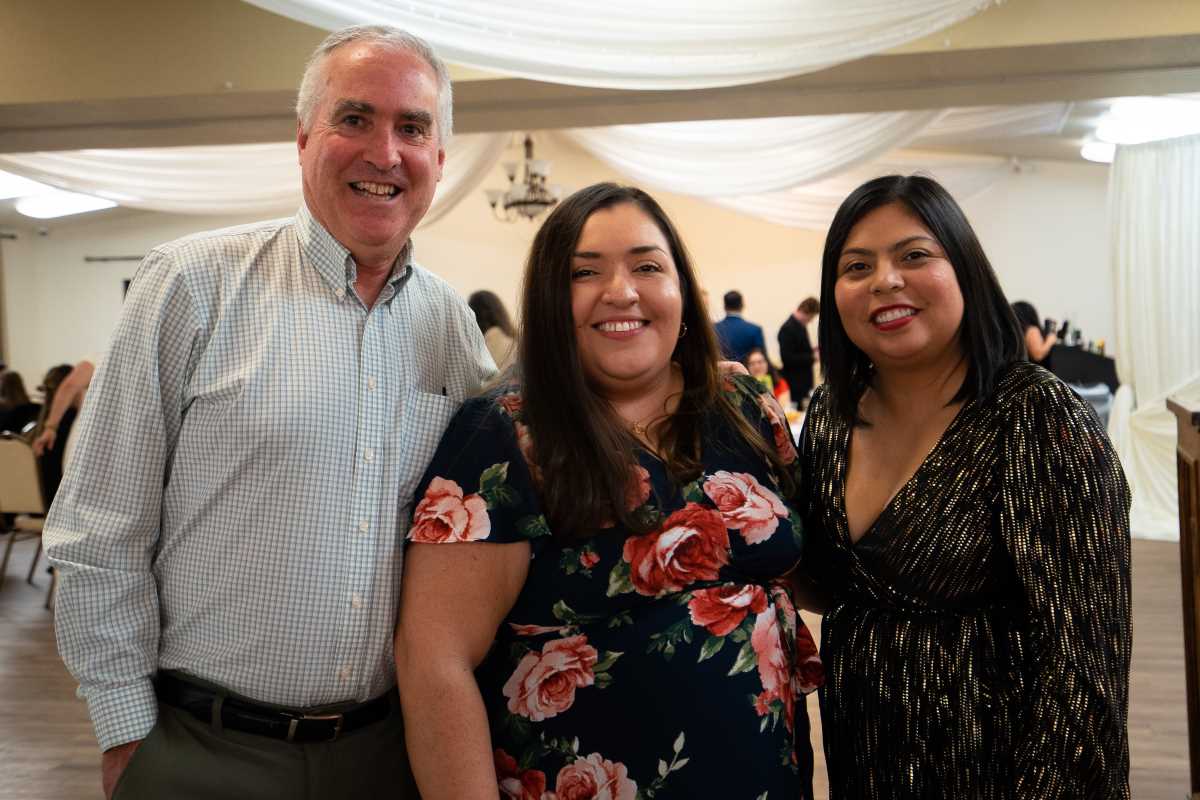
The Indigenous Farmworker Project is led by Director Jeff Ponting, and staffed by Community Workers Irma Luna (Mixteco Bajo) and Fausto Sanchez (Mixteco Alto). CRLA also employs 5 other indigenous Community Workers throughout our 23 statewide offices. For more information, contact Jef Ponting, Project Manager at jponting@crla.org.